Durham is a historic cathedral city located in County Durham, England, known for its stunning architecture and rich heritage. The city is dominated by its UNESCO World Heritage Site, which includes Durham Cathedral and Durham Castle, both significant landmarks that reflect its medieval past.
02Geography
Durham is situated on a peninsula formed by a meander of the River Wear, which envelops the city centre on three sides. The landscape surrounding the city is predominantly hilly, with the floodplain of the Wear to the north and south-east. This geographical positioning has historically provided a strategic advantage.
Distance to coast
Approximately 15 miles
Green belt
Surrounded by Tyne and Wear Green Belt
Major rivers
River Wear and River Browney
03History
The origins of Durham date back to AD 995 when Anglo-Saxon monks established a settlement to protect the relics of St Cuthbert from Viking raids. The city evolved under the governance of the prince bishops, who held significant power and autonomy until the 19th century.
995 Foundation by Anglo-Saxon monks
1070s Construction of Durham Cathedral after the Norman Conquest
1346 Battle of Neville's Cross fought nearby
1832 Establishment of Durham University
1986 Durham Cathedral and Castle designated a UNESCO World Heritage Site
Explore Durham, a historic cathedral city in County Durham, known for its stunning architecture and rich heritage.
04Landmarks
Durham is renowned for its architectural heritage, particularly the Durham Cathedral and Durham Castle, both of which are UNESCO World Heritage Sites. The cathedral is celebrated for its Romanesque architecture and rib vaulting, marking a significant development in Gothic design.
Durham Cathedral Founded in 1093, a masterpiece of Norman architecture
Durham Castle Originally built in the 11th century, now part of Durham University
Palace Green Historic area between the cathedral and castle
Market Place Central hub for commerce and community events
St Giles Church Grade I listed church in Gilesgate
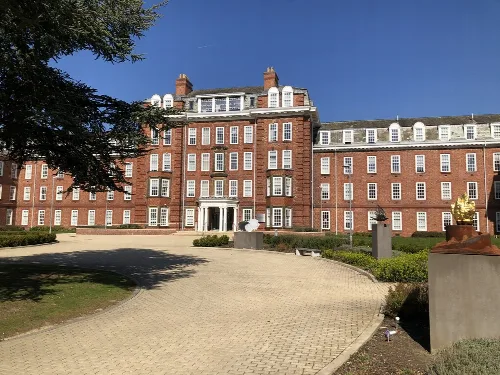
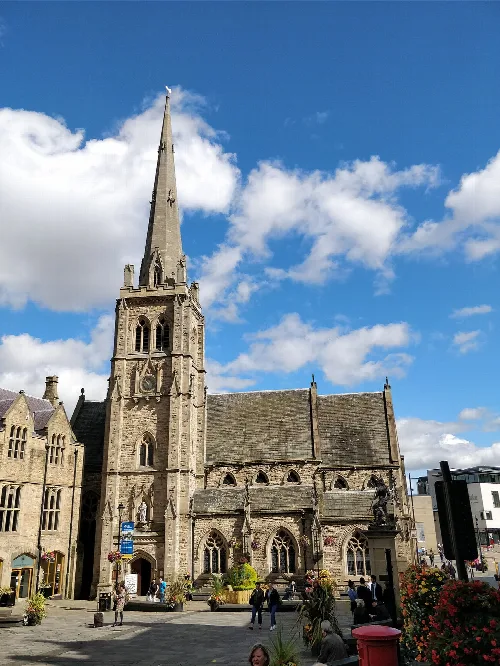
Ustinov College, a large red-brick building in Durham, now serving post-graduate students, located at Sheraton Hall since 2017.St Nicholas' Church in Durham seen from the marketplace on a sunny day.
05Economy
Historically, Durham's economy was driven by coal mining, textile manufacturing, and trade. Although the coal industry has declined, the city has diversified, with education and tourism becoming significant sectors, particularly due to the presence of Durham University.
Major employers Durham University, local council, University Hospital of North Durham
Annual events Durham Miners' Gala, a significant cultural event
Tourism Attraction of visitors to historical sites and university
06Education
Durham is home to Durham University, one of the oldest universities in England, founded in 1832. The university plays a crucial role in the local economy and community, offering a wide range of courses and contributing to the city's vibrant student population.
Durham University Founded in 1832, known for academic excellence
New College Durham Largest college of further education in the city
Secondary schools Includes four state secondary schools and independent institutions
07Culture and Events
Durham hosts a variety of cultural events and festivals, reflecting its rich heritage and community spirit. The annual Durham Miners' Gala is a highlight, celebrating the city's mining history and trade unionism.
Durham Miners' Gala Largest socialist trade union event in the world
Durham Regatta Second oldest regatta in Britain, held annually on the River Wear
Cultural festivals Various events throughout the year celebrating local arts and history
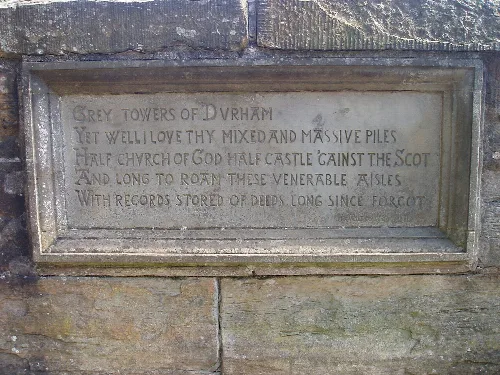
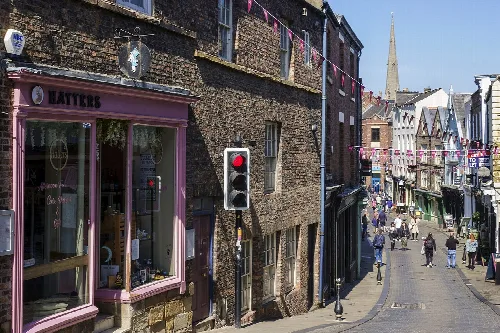
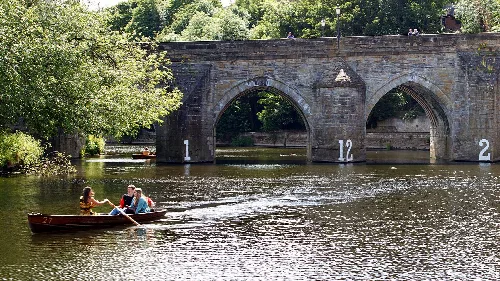
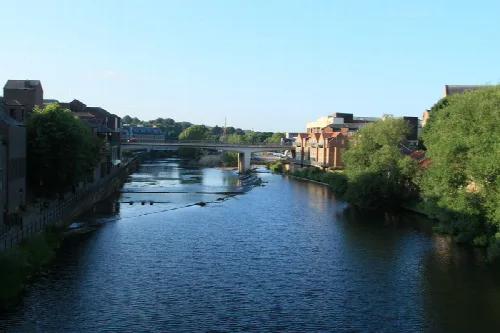
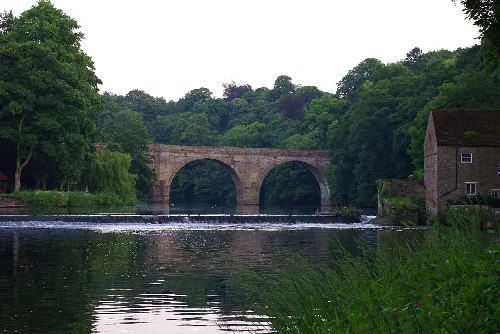
Inscription of Sir Walter Scott's words about Durham on Prebends Bridge.Saddler Street in Durham looking north, with shops and pedestrians along the street.People enjoy rowing under Elvet Bridge in Durham on a sunny day.The River Wear flowing through Durham with modern buildings and greenery along its banks.Prebends Bridge and the weir next to the Old Fulling Mill in Durham, surrounded by lush green trees.
Frequently asked questions
What can I see from Millburngate Bridge?
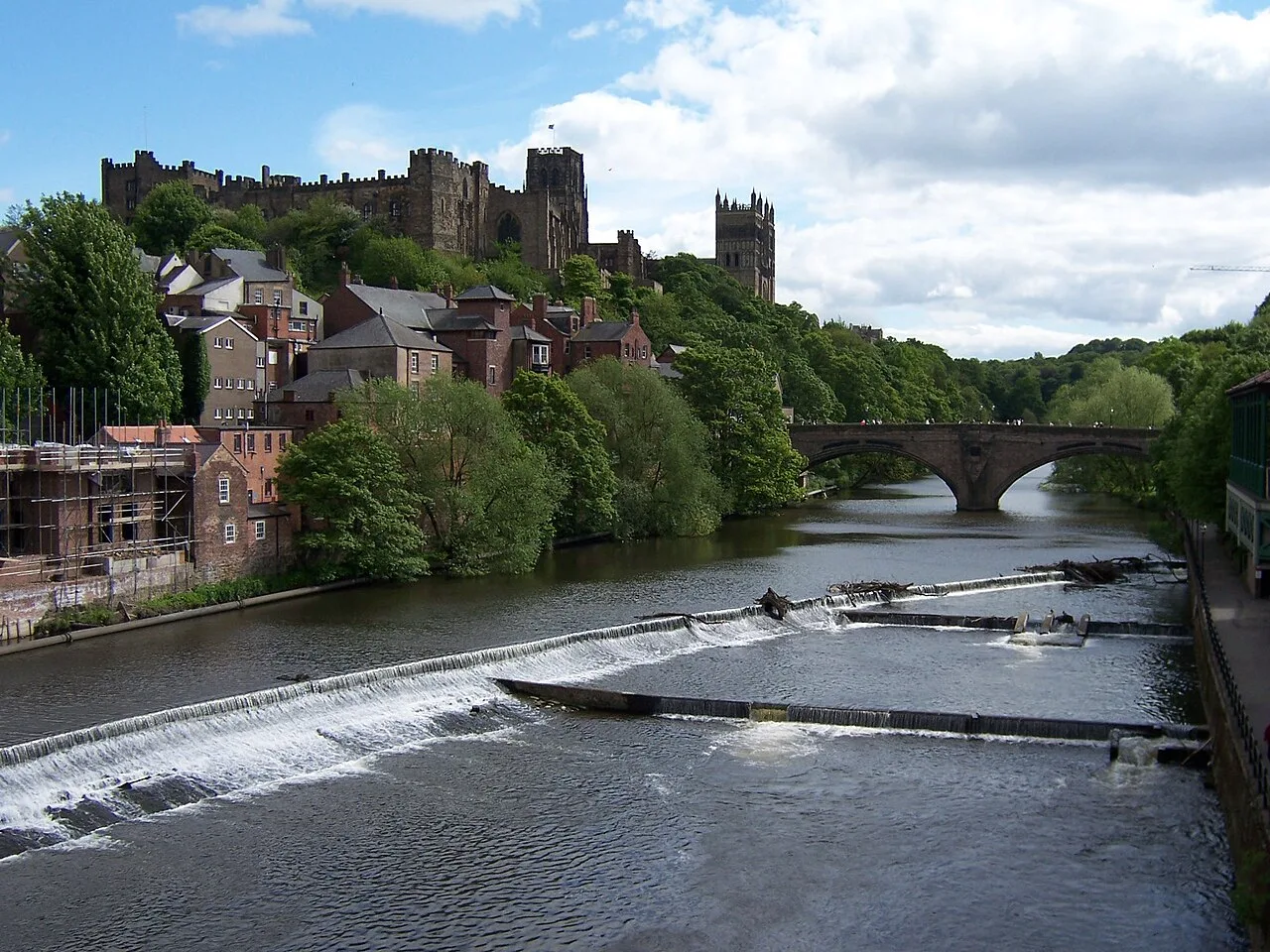
From Millburngate Bridge, you can enjoy stunning views of Framwellgate Bridge, Durham Cathedral, and Durham Castle, all beautifully set against the backdrop of the River Wear. This picturesque scene captures the essence of Durham's historic architecture and natural beauty, making it a popular spot for photography and sightseeing.
Ustinov College is a large red-brick building in Durham that serves as a postgraduate college. Established in 2017 at Sheraton Hall, it provides accommodation and facilities for students pursuing advanced degrees, contributing to the vibrant academic community of Durham University.
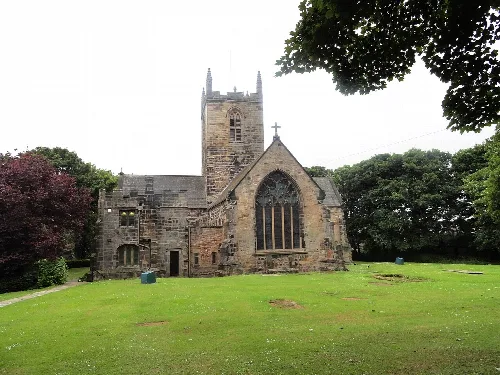
St Nicholas' Church in Durham has a rich history, serving as a central place of worship for centuries. Located in the marketplace, it reflects the city's medieval architecture and is an important landmark for both residents and visitors, often hosting community events and services.
The inscription on Prebends Bridge features words by Sir Walter Scott, celebrating the beauty and significance of Durham. It reflects the city's historical and cultural heritage, highlighting its role as a place of refuge and spirituality throughout the ages.
How did Durham Cathedral become a UNESCO World Heritage Site?
Durham Cathedral was designated a UNESCO World Heritage Site in 1986 due to its architectural significance as a prime example of Norman style. Its impressive vaulting represents an early model of Gothic architecture, making it a key historical and cultural landmark in England.
What is the significance of the Durham Miners' Gala?
The Durham Miners' Gala, held annually, is a significant event celebrating the region's mining heritage and community spirit. It is the largest socialist trade union event globally, attracting thousands of attendees and showcasing the history and pride of the mining communities in County Durham.
Yes, getting around Durham is relatively easy. The city is compact, with many attractions within walking distance. Public transport options, including buses and trains, are also available, making it convenient for residents and visitors to explore both the city and surrounding areas.
Durham offers various outdoor activities, including walking and cycling along the scenic River Wear. The city's hilly landscape provides opportunities for hiking, while nearby green spaces and parks, such as the Durham University Botanic Gardens, are perfect for leisurely strolls and picnics.
Durham boasts a diverse culinary scene, featuring traditional British fare alongside international cuisine. You can find everything from cosy pubs serving hearty meals to modern restaurants offering innovative dishes, as well as local markets showcasing fresh produce and artisanal products.
What are the best times to experience Durham's festivals?
Durham hosts several vibrant festivals throughout the year, with the Durham Miners' Gala in July being a highlight. Other notable events include the Durham Book Festival in October and the Lumiere light festival, which takes place biennially, attracting visitors with stunning light installations.