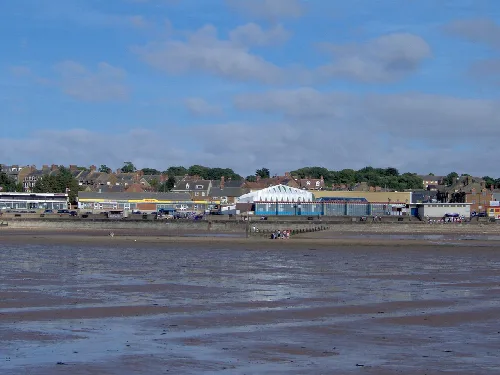
Skegness is a seaside town located on the Lincolnshire coast of England, known for its sandy beaches and vibrant tourist attractions. It has evolved from a small fishing village into a popular holiday destination, drawing visitors with its amusement arcades, fairgrounds, and natural beauty.
02Geography
Skegness is situated on the North Sea coast, within a low-lying area known as Lincoln Marsh. The town includes the adjacent settlements of Winthorpe and Seacroft, forming a larger urban area with nearby resorts. It is approximately 22 miles north-east of Boston and 43 miles east of Lincoln.
Distance to coast
0 miles
Nearby parishes
Ingoldmells, Addlethorpe, Burgh le Marsh, Croft
Shoreline composition
Blown sand and beach deposits
03History
The history of Skegness dates back to the late Iron Age, with evidence of saltmaking and a potential Roman fort. The town's name derives from Old Norse, indicating its historical significance as a coastal settlement. By the 14th century, it had developed into a local port, but coastal erosion led to its decline.
14th century Skegness becomes a locally important port.
1525-1526 The original settlement is largely washed away by a storm.
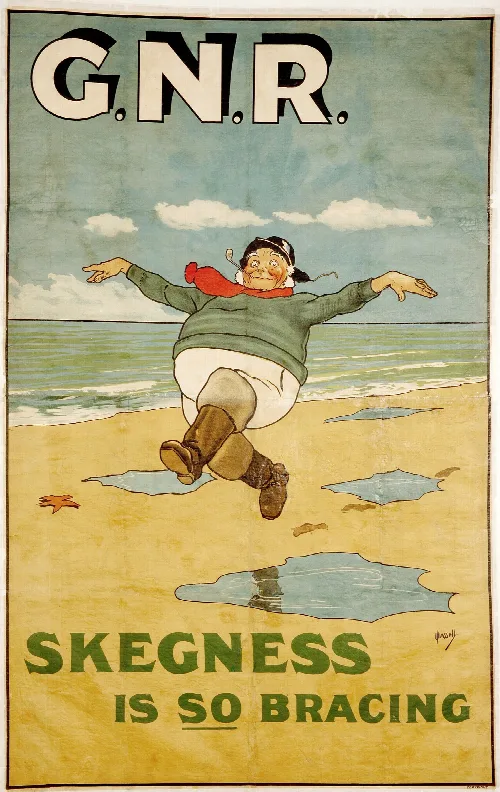
1873 The arrival of the railway transforms Skegness into a seaside resort.
1936 Butlin's holiday camp opens in Ingoldmells.
2011 Skegness is the fourth most popular holiday destination in England.
Skegness is a popular seaside town in Lincolnshire, known for its beaches and vibrant tourist attractions.
04Tourism and Attractions
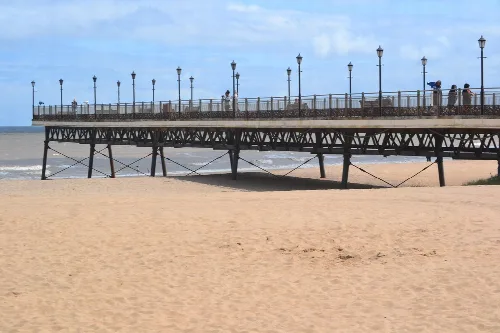
Skegness is renowned for its long sandy beach and a variety of attractions that cater to tourists. The seafront features amusement arcades, nightclubs, and eateries, while notable sites include the Natureland Seal Sanctuary, an aquarium, and a heritage railway.
Popular attractions Natureland Seal Sanctuary, Botton's fairground, Skegness Pier.
Annual events Carnival, arts festival.
Visitor statistics Over 1.4 million visitors in 2015.
Seafront features Amusement arcades, eateries, nightclubs.
Natural reserves Gibraltar Point nature reserve.
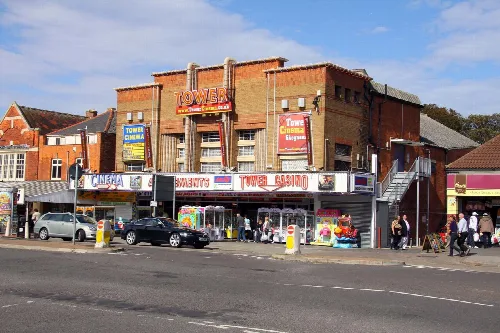
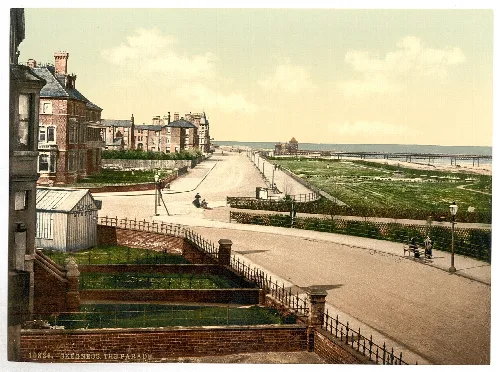
The Tower Cinema and Casino on Lumley Road in Skegness, with shops and people in front on a sunny day.A vintage street scene in Skegness with promenade, houses, and the sea in the background from 1905.
05Economy
The economy of Skegness is heavily reliant on tourism, which supports a significant portion of local employment. The town has seen fluctuations in its visitor numbers, but remains a popular destination due to its affordability compared to overseas holidays.
Visitor economy jobs
Approximately 2,846 jobs directly supported by tourism.
Economic impact
Estimated £289.60 million in 2015.
Tourism sector employment
Over half in accommodation and food services.
Nickname
Skegvegas.
Manufacturing presence
Limited, with some light industry established post-WWII.
06Transport
Skegness is well-connected by road and rail, with the A52 and A158 roads providing access to nearby towns. The railway station offers services to Nottingham and Grantham, enhancing connectivity for visitors and residents alike.
Rail services Hourly services to Nottingham via Grantham.
Bus services Operated by Stagecoach Lincolnshire.
Airports East Midlands Airport and Humberside Airport nearby.
Road connections A52 and A158 roads.
Local bus routes Regular services to Ingoldmells and Chapel St Leonards.
07Demographics
Skegness has a predominantly white population, with a significant proportion of elderly residents. The town's demographic profile reflects a higher than average number of one-person households and a notable number of residents over the age of 60.
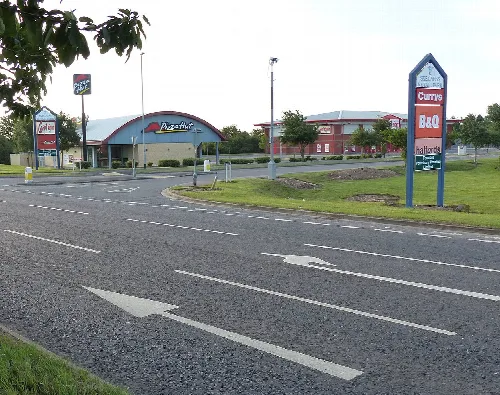
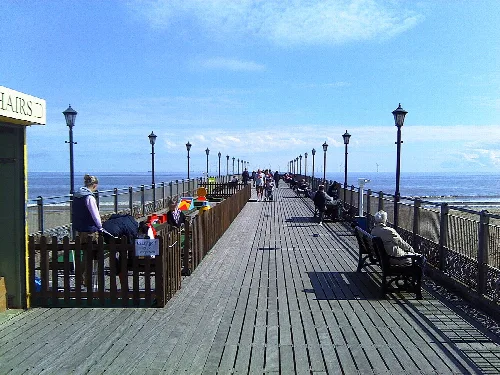
Skegness Retail Park with a Pizza Hut and other shops, seen from the roadside.The pier deck on Skegness Pier with benches and lampposts, looking seawards on a bright day.Skegness Pier extends over the sandy beach with people walking along it under a partly cloudy sky.A colourful vintage poster promoting Skegness as a bracing seaside destination, featuring a cheerful character on the beach.A sandy path winding through the Gibraltar Point Nature Reserve near Skegness, bordered by wildflowers and bushes.
Frequently asked questions
What is the Skegness Clock Tower?
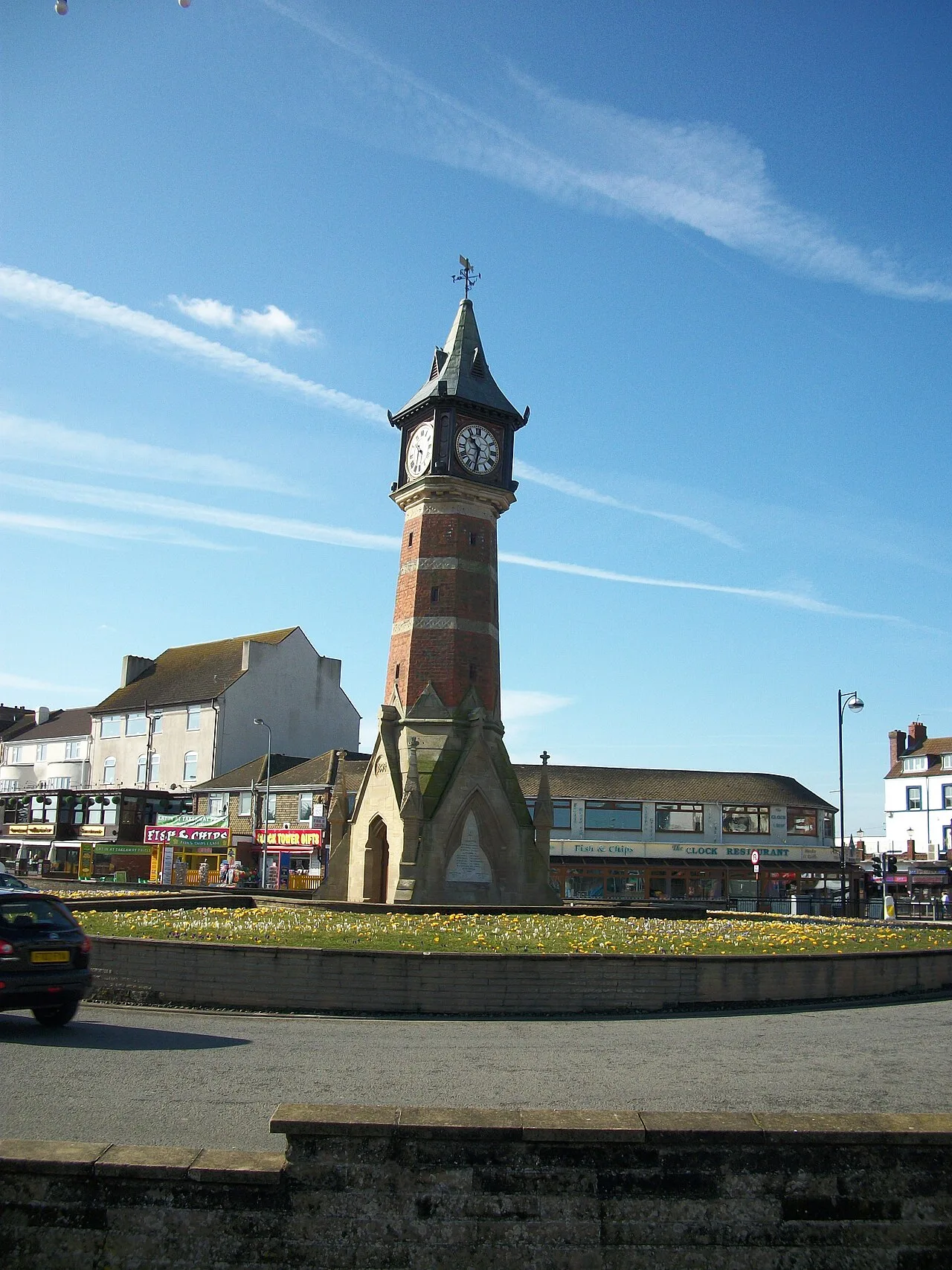
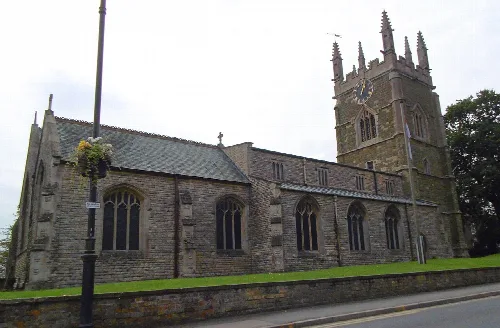
The Skegness Clock Tower is a prominent landmark located in the town centre of Skegness. It serves as a focal point for visitors and locals alike, symbolising the town's rich history. The clock tower is surrounded by shops and attractions, making it a popular spot for photographs and a meeting point for those exploring the area.
At the Tower Cinema and Casino on Lumley Road, visitors can enjoy a variety of entertainment options. The cinema screens a range of films, while the casino offers gaming opportunities. The location is also surrounded by shops and eateries, making it a vibrant area for leisure activities.
Skegness has a rich history dating back to medieval times when it was a fishing village. The town evolved into a seaside resort in the late 18th century, particularly after the arrival of the railway in 1873, which transformed it into a popular holiday destination for visitors from the East Midlands.
What are some attractions at Gibraltar Point nature reserve?
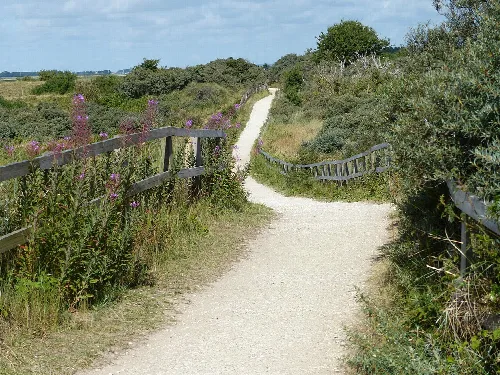
Gibraltar Point nature reserve, located south of Skegness, is a haven for wildlife enthusiasts. Visitors can explore diverse habitats, including salt marshes and sand dunes, and enjoy birdwatching opportunities. The reserve is ideal for walks, offering scenic views of the coastline and the chance to spot various bird species.
What is the best time to visit Skegness for events?
Skegness hosts various events throughout the year, including an annual carnival and a yearly arts festival. The summer months are particularly lively, with many attractions and activities geared towards tourists. Planning a visit during these events can enhance your experience of the town's vibrant community spirit.
Skegness has evolved significantly since its days as a small fishing village. The arrival of the railway in 1873 marked the beginning of its transformation into a popular seaside resort. Over the years, it has developed infrastructure to support tourism, including amusement arcades and holiday camps, while facing challenges from changing holiday trends.
As of 2021, Skegness has a population of 21,128 residents. This makes it the largest settlement in the East Lindsey District of Lincolnshire. The town's population has fluctuated over the years, particularly influenced by its status as a popular holiday destination.
Skegness offers a variety of dining options, with a focus on traditional seaside fare. Visitors can enjoy local fish and chips, as well as a range of restaurants and cafés serving different cuisines. The seafront is particularly known for its eateries, catering to the tastes of holiday-makers and locals alike.
Skegness experiences a temperate maritime climate, characterised by warm summers and cool winters. The town enjoys relatively sunny weather compared to other parts of the UK, making it an appealing destination for visitors looking to enjoy outdoor activities during the summer months.
What can you tell me about the history of the Butlin's holiday camp?
The Butlin's holiday camp, opened in Ingoldmells in 1936, marked a significant development in Skegness's tourism industry. It provided affordable holiday options for families and became a popular attraction, contributing to the town's reputation as a leading seaside resort in Britain.