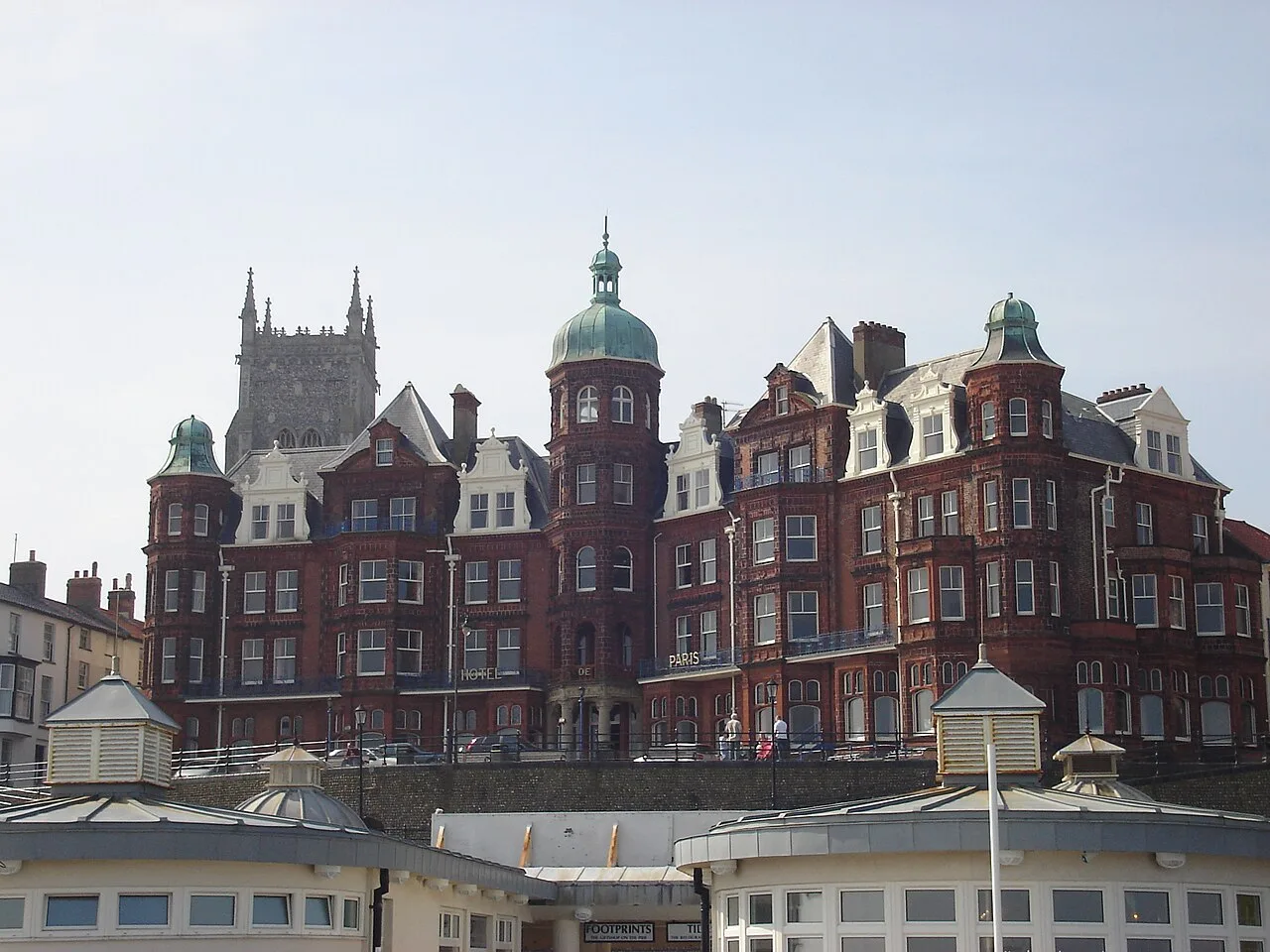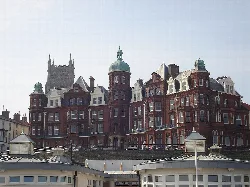
A large Victorian-style hotel with turrets and a red brick facade in Cromer. Northmetpit, Public domain

Cromer

England

12,457Population
4.66 km²Area
NR27Postal code

Cromer is a coastal town located on the north coast of Norfolk, England, known for its picturesque beaches and as a traditional tourist destination. The town is particularly famous for its Cromer crab, a significant source of income for local fishermen, and boasts a rich history dating back to the Pleistocene era.

02Geography

Cromer is situated on the North Sea coastline, surrounded by dramatic cliffs that rise up to 70 metres. The town lies approximately 23 miles north of Norwich and is bordered by the neighbouring towns of Sheringham and North Walsham. Its coastal location makes it a popular spot for beach holidays and fishing.

Distance to the coast
0 km

03History

Cromer has a rich historical background, first mentioned in a will from 1262. The town developed as a fishing station, and by the 19th century, it became a popular resort for wealthy visitors. Notably, it was named 'Poppyland' by journalist Clement Scott, which attracted many tourists.

Cromer is a coastal town in Norfolk, famous for its crab and rich history, with attractions like the pier and Pavilion Theatre.

04Economy

Historically a fishing town, Cromer has shifted its focus primarily to crabbing and lobstering, with the Cromer crab being a local delicacy. Tourism also plays a vital role in the economy, with attractions such as Cromer Pier and the Pavilion Theatre drawing visitors.

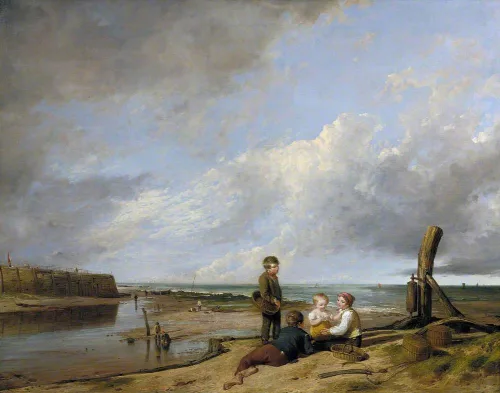
Children and a woman on Cromer beach with boats and cloudy sky.
A painting of children and a woman on Cromer's beach with fishing boats and a cloudy sky in Norfolk.
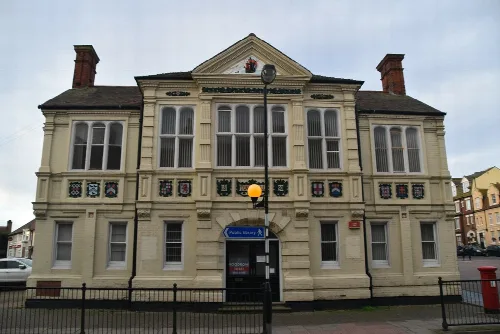
A historic town hall building with decorative shields and a pediment in Cromer.
The Old Town Hall in Cromer, Norfolk, features a historic façade with decorative shields and a central pediment.

05Culture and Community

Cromer hosts a variety of cultural events, including its annual Carnival Week in August, which features a street parade and fancy dress competition. The town is twinned with Nidda in Germany and Crest in France, fostering international relationships.

Cromer · Data
County
Norfolk
Nation
England
Population
12,457
Area
4.66 km²
Postal code
NR27
Website
http://www.cromer-tc.gov.uk/
Coordinates
52.9310, 1.3020

Photos

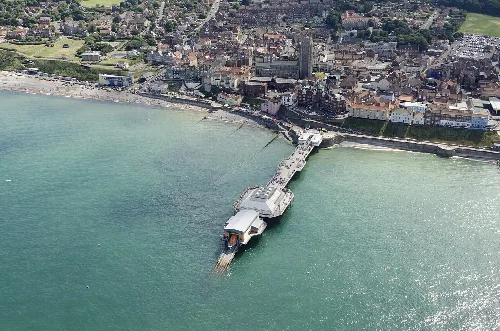
Aerial view of Cromer with pier and teal sea.
Aerial view of Cromer, Norfolk, showing the pier extending into the teal sea with the town behind.
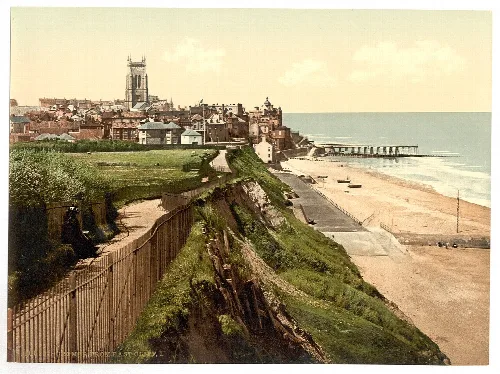
Clifftop view of Cromer with church tower, beach, and pier.
View of Cromer’s coastline with a church tower, sandy beach, and a pier extending into the North Sea.
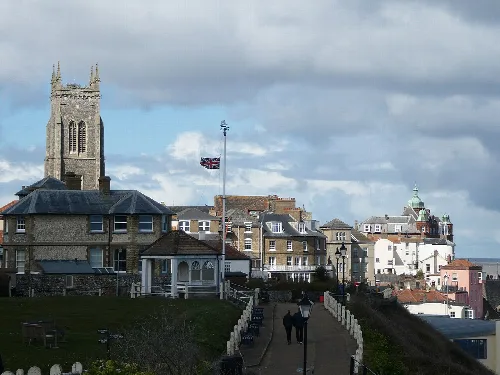
View of Cromer from East Cliff with church tower, houses, and Union Jack flag.
A view of Cromer from East Cliff showing the church tower, houses, and a flagpole with the Union Jack.
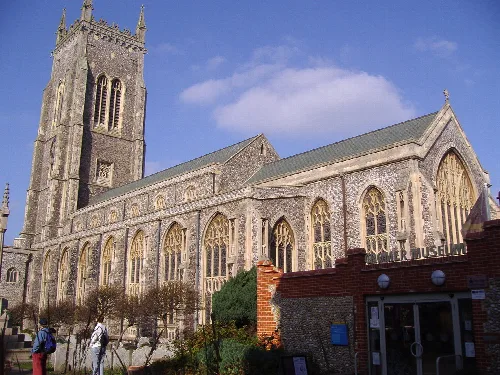
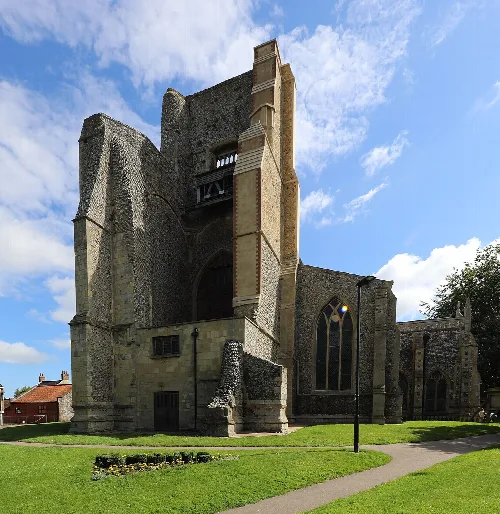
A stone church with a tall tower and large stained glass windows in Cromer.
The parish church of Saint Peter and Saint Paul in Cromer, Norfolk, with a tall tower and large stained glass windows.
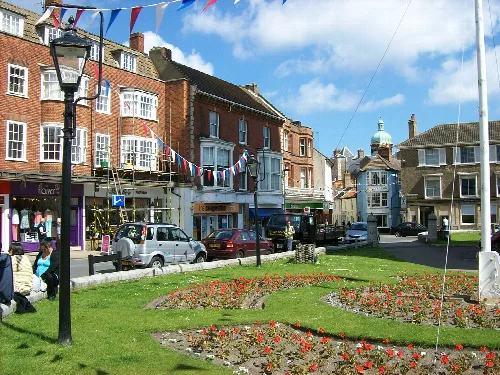
View of Church Street in Cromer with shops, cars, and a flower bed in a small park.
Church Street in Cromer with shops, parked cars, and a small park with flower beds.

Frequently asked questions

A large Victorian-style hotel with turrets and a red brick facade in Cromer.

What is the Hotel De Paris in Cromer known for?

The Hotel De Paris is notable for its distinctive turrets and Victorian architecture. Originally built in 1820 as a coastal residence for Lord Suffield, it was converted into a hotel in 1830. The building underwent extensive remodelling by architect George Skipper in the late 19th century and now overlooks Cromer's pier, providing accommodation to visitors.

Sights Hotel De Paris

What can you tell me about Cromer's history?

Cromer has a rich history dating back to at least the 14th century. It became a popular resort in the early 19th century, attracting visitors including future King Edward VII. The town is also known for its connection to the Cromerian Stage, a significant period in Pleistocene glacial history, and it suffered damage during WWII, including bombing raids.

History
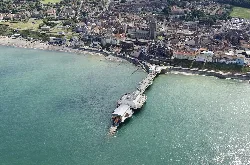
Aerial view of Cromer with pier and teal sea.

What is the significance of Cromer Pier?

Cromer Pier, built in 1901, is a prominent feature of the town, extending 151 metres into the North Sea. It houses the Pavilion Theatre and serves as a focal point for tourism. The pier is also historically important, having been a site for various events and performances, making it a key attraction for visitors.

Sights Cromer Pier

What events take place during Cromer's Carnival Week?

Cromer's Carnival Week, held annually in August, features a variety of attractions including the crowning of a 'royal family' with a carnival queen, a vibrant street parade, and a fancy dress competition. The event celebrated its 50th anniversary in 2019, highlighting its significance in the local community.

Festivals & events

What is the local cuisine like in Cromer?

Cromer is famous for its crab, particularly the Cromer crab, which is a major source of income for local fishermen. Visitors can enjoy fresh crab from local shops, especially during the fishing season. The town's coastal location also means seafood is a prominent feature of its culinary offerings.

Food & drink

How does living in Cromer compare to other towns?

Living in Cromer offers a unique coastal lifestyle, with a strong sense of community and access to beautiful beaches and nature. The town features local markets, independent shops, and recreational activities, making it appealing for families and retirees alike. However, employment opportunities may be limited compared to larger towns.

Living there For residents
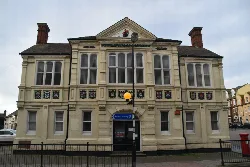
A historic town hall building with decorative shields and a pediment in Cromer.

What is the Old Town Hall used for today?

The Old Town Hall in Cromer, completed in 1890, was once the main venue for public events. Today, it serves various community purposes, although specific current uses may vary. Its historic façade and decorative features make it a notable landmark in the town.

Sights Old Town Hall

What kind of wildlife can I see near Cromer?

Cromer is located near the Norfolk Coast, which is rich in wildlife. The area is known for its diverse marine life, including various fish species and seabirds. The nearby chalk reef, designated as a Marine Conservation Zone, supports a unique ecosystem, making it a great spot for nature enthusiasts.

Nature

Are there any notable museums in Cromer?

Yes, Cromer Museum, opened in 1978, is a key attraction. Housed in former fishermen's cottages, it features exhibits on local history, including Poppyland china and the pioneering photographer Olive Edis. The museum provides insights into Cromer's maritime heritage and geological significance.

Sights Cromer Museum

How does the transport system work in Cromer?

Cromer is served by Cromer railway station, which is part of the Bittern Line, providing hourly services to Norwich and Sheringham. Bus services connect the town with local destinations, while the A140 and A149 roads link it to other regions. The nearest airport is Norwich International Airport.

Getting there
Map

Nearby

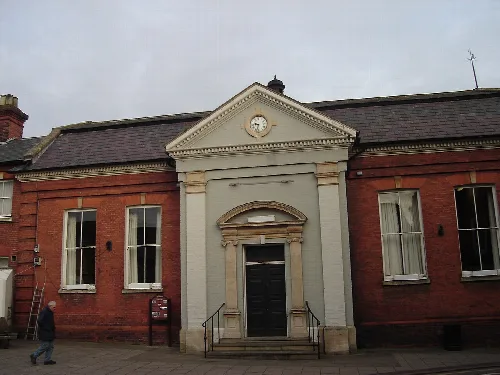
Red brick town hall with white pediment and black door in Aylsham.
Aylsham
Norfolk · 7,568 inhabitants
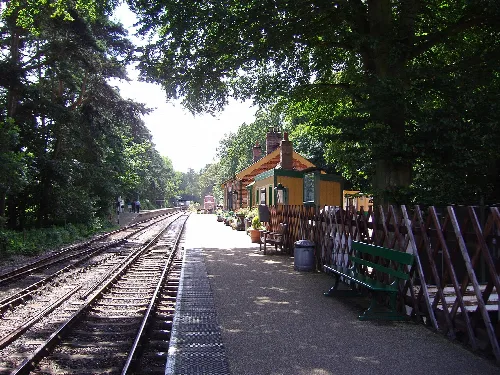
View of Holt Railway station with train tracks, benches, and a small station building.
Holt
Norfolk · 4,015 inhabitants
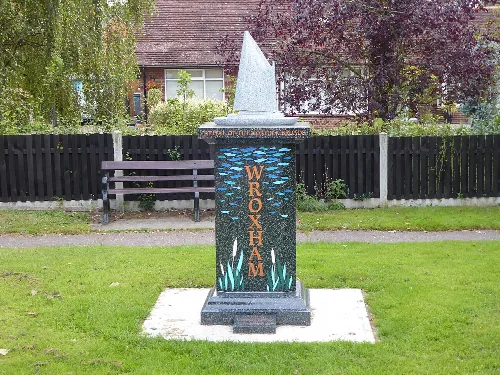
Stone village sign with boat and reeds design in a park.
Wroxham
Norfolk · 1,731 inhabitants
R
Reepham
Norfolk · 2,709 inhabitants

Own text, written with AI assistance from the facts in Wikipedia · Cromer · Data: Wikidata Q208296 · Photos: Wikimedia Commons, see individual licenses. · CC BY-SA 4.0