Letchworth Garden City is a town located in Hertfordshire, England, known as the world's first garden city. Established in the early 20th century, it combines residential living with extensive green spaces, reflecting the principles of urban planning advocated by its founder, Ebenezer Howard.
02Geography
Letchworth Garden City is situated in North Hertfordshire, approximately 32 miles north of London. The town is well-connected by rail, linking London to Cambridge, and is adjacent to the A1 road, making it a popular location for commuters. Its layout includes extensive parkland and open spaces, such as Norton Common and Howard Park.
Climate
Oceanic (Köppen Cfb)
Green spaces
Norton Common, Howard Park
Roundabout
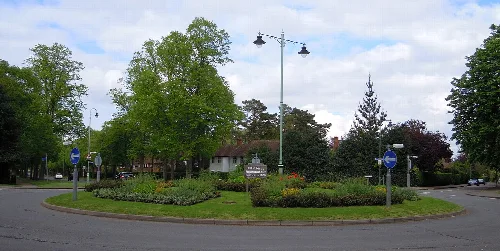
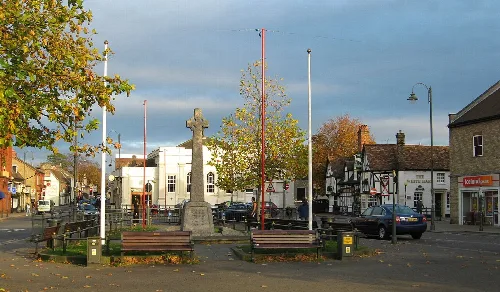
Sollershott Circus, UK's first roundabout
03History
Letchworth has a rich history, with evidence of habitation dating back to prehistoric times. The town was established as a garden city in 1903, following the vision of Ebenezer Howard, who aimed to create a community that integrated urban living with nature. The first houses were occupied in 1904, and the town's layout was designed by architects Raymond Unwin and Barry Parker.
1086 Letchworth appears in the Domesday Book.
1903 First Garden City Limited founded to develop Letchworth.
1904 First houses occupied.
1963 Ownership transferred to Letchworth Garden City Corporation.
1995 Letchworth Garden City Heritage Foundation established.
Letchworth Garden City, the world's first garden city, blends residential areas with green spaces in Hertfordshire, England.
04Architecture and Urban Planning
The design of Letchworth Garden City was revolutionary, incorporating extensive green spaces and a layout that separated residential areas from industry. The town features the UK's first roundabout, Sollershott Circus, and is known for its Arts and Crafts style buildings. The principles established here have influenced urban planning worldwide.
Architects Raymond Unwin and Barry Parker.
First roundabout Sollershott Circus, built circa 1909.
Layout principles Separation of industry and residential areas.
Green belt Surrounds the town, preserving countryside.
Conservation areas Large parts of the town recognised for their quality.
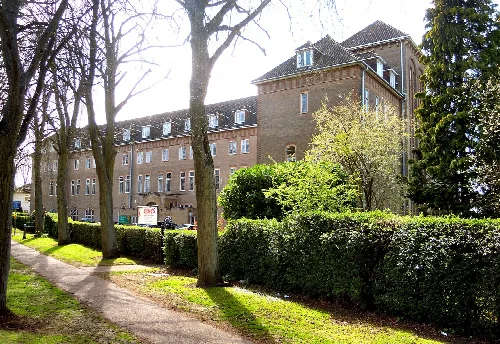
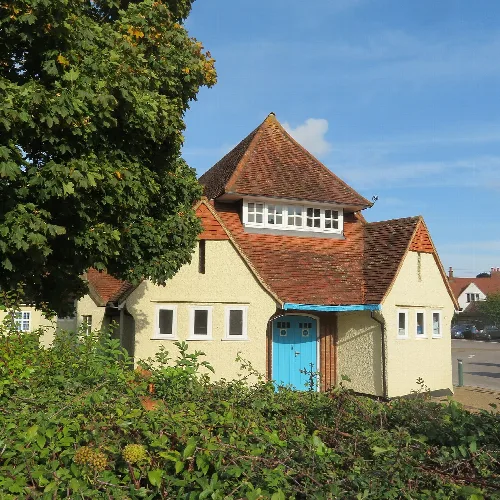
St Francis' College in Letchworth from The Broadway, surrounded by trees and greenery.A small, historic building with a distinctive blue door in Letchworth Garden City, built as one of the first public structures in the town.
05Economy
Letchworth has a diverse economy, with significant business areas providing employment across various sectors. The town's economic landscape has evolved from large manufacturing firms to smaller office-based businesses, particularly following the decline of traditional industries in the late 20th century.
Major industries Corset manufacturing, publishing, and engineering.
Notable companies Spirella Company, J. M. Dent and Son.
Current employment sectors Office-based businesses and services.
Historical industries Parachute manufacturing during WWII.
Economic challenges Shift from manufacturing led to higher unemployment in the 1980s.
06Culture and Community
Letchworth Garden City is home to a vibrant community with a strong emphasis on arts and recreation. The town hosts various cultural events and has numerous sports clubs, reflecting its commitment to community engagement and well-being.
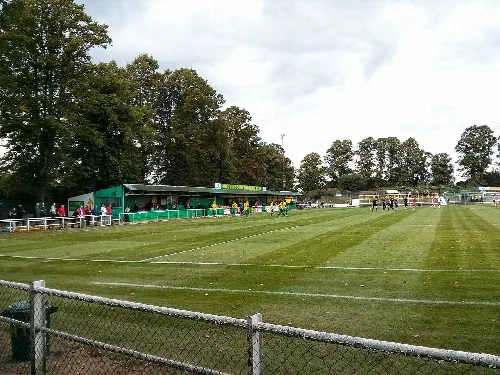
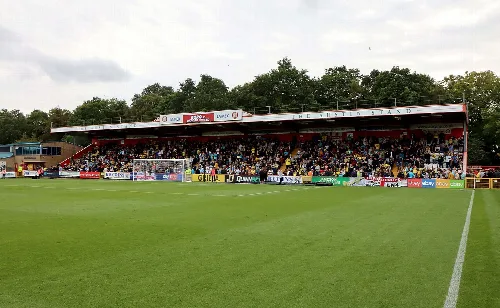
Sports clubs Cricket, football, rugby, and hockey.
Cultural venues Broadway Gallery and Broadway Cinema.
Annual events Standalone 10K and other running events.
Community initiatives Heritage Foundation supports local projects.
07Education
Letchworth offers a mix of independent and state educational institutions, catering to a range of ages and needs. The town has a history of educational innovation, with several schools established since the garden city's inception.
State secondary schools The Highfield School, Fearnhill School.
Independent schools St Christopher School, St Francis' College.
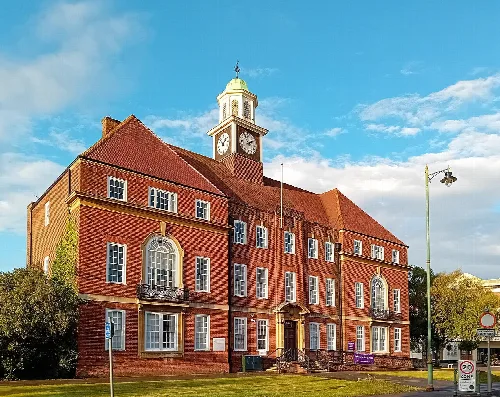
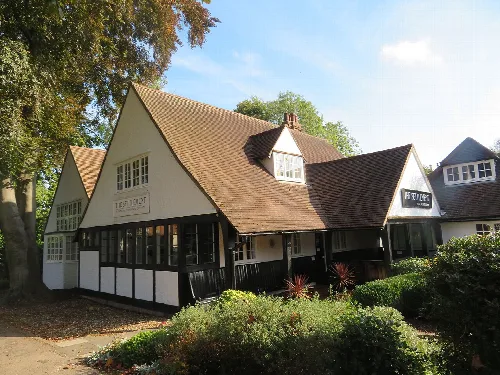
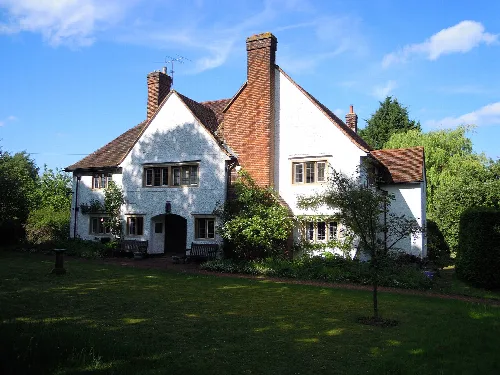
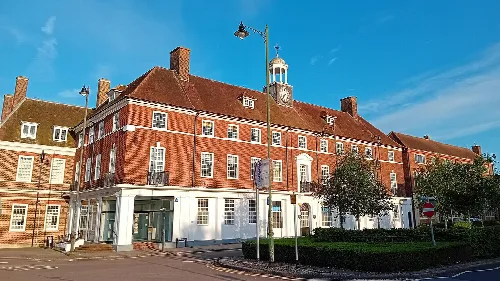
Letchworth Town Hall with its clock tower, situated on Broadway in Hertfordshire.The building was originally constructed as Skittles Inn in 1906-07 and later became Letchworth Settlement, an adult education centre, in 1925.The modern roundabout on The Broadway in Letchworth Garden City, with trees and a small building nearby.Howgills, built in 1907, serves as the Meeting House for the Society of Friends in Letchworth Garden City.The former estate office of First Garden City Ltd, built in 1913, in Letchworth Garden City.
Frequently asked questions
What can you tell me about St Mary's Church in Letchworth?
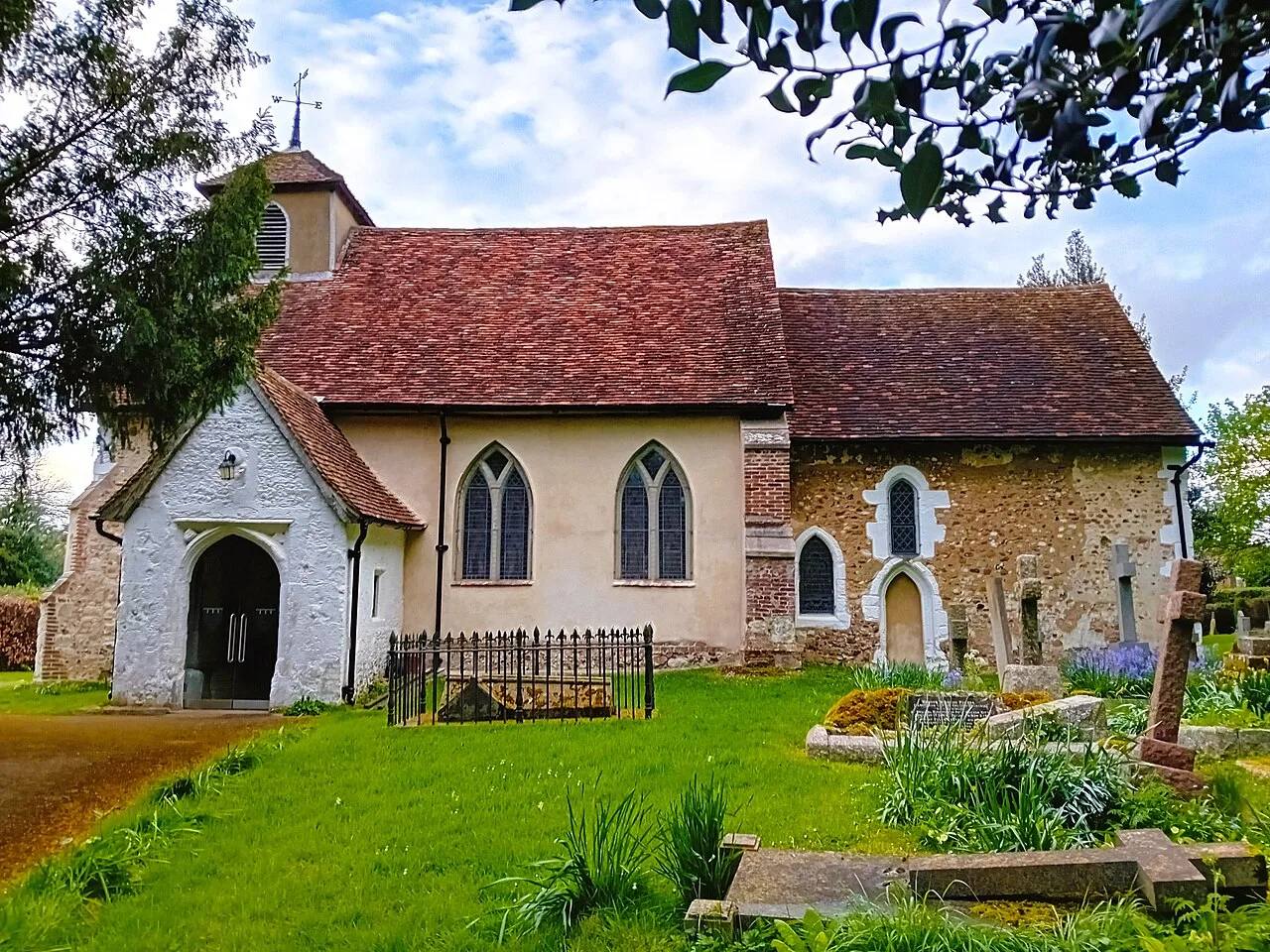
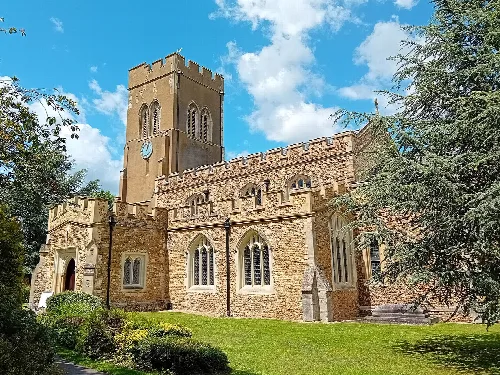
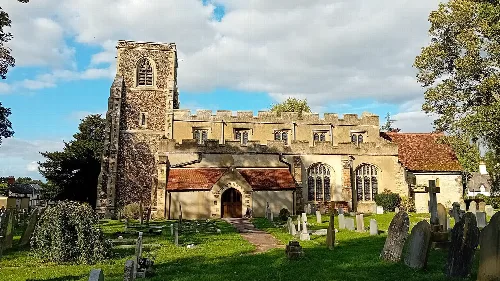
St Mary's Church is the historic parish church of Letchworth, featuring a stone and brick structure. It is surrounded by a green graveyard, adding to its picturesque setting. Originally built in the 12th century, it was rededicated to St Mary during the First World War. The church represents the town's long-standing history and community spirit.
What is the significance of the Mrs Howard Memorial Hall?
The Mrs Howard Memorial Hall is a small historic building in Letchworth, notable for its distinctive blue door. Opened in 1906, it was one of the first public structures in the town, built as a memorial to Ebenezer Howard's wife, Lizzie. The hall reflects the early community spirit and social reform ideals of Letchworth's founders.
Letchworth Town Hall is an impressive building featuring a clock tower, situated prominently on Broadway. Built in 1935, it serves as a focal point for local governance and community activities. The architecture reflects the town's historical significance as the first garden city, showcasing a blend of functionality and aesthetic appeal.
Are there any parks or green spaces in Letchworth?
Yes, Letchworth is known for its extensive parkland and open spaces. Notable areas include Norton Common and Howard Park, both of which have received the Green Flag Award for their quality. These parks provide residents and visitors with beautiful settings for recreation and relaxation, embodying the garden city ethos.
Letchworth became the first garden city in the early 20th century, following the vision of social reformer Ebenezer Howard. In 1903, land was purchased to create a new type of settlement that combined the benefits of urban and rural living. This innovative approach aimed to provide housing, jobs, and green spaces, influencing town planning worldwide.
What industries are prominent in Letchworth today?
Letchworth has a diverse economy with various industries. While it once relied heavily on manufacturing, the town has shifted towards smaller office-based businesses. Significant employers include companies in sectors like publishing and technology, reflecting the town's adaptability and ongoing economic development since its garden city origins.
What is unique about the roundabout in Letchworth?
Letchworth is home to the UK's first roundabout, known as Sollershott Circus, which was built around 1909. This innovative traffic design allowed vehicles to circulate around a central island, setting a precedent for future road layouts across the country. It highlights Letchworth's role in urban planning and transport innovation.
Letchworth hosts a variety of community events throughout the year, including festivals, markets, and cultural activities. These events foster community engagement and celebrate the town's heritage and diversity. The local council and community organisations often collaborate to organise these events, enhancing the town's vibrant atmosphere.
Letchworth offers a family-friendly environment with ample green spaces, parks, and community facilities. The town has a mix of housing options, good schools, and a strong sense of community, making it appealing for families. Its historical significance as the first garden city also adds to its charm and livability.
Letchworth is well-connected by transport, lying on the railway linking London to Cambridge. The town's railway station, Letchworth Garden City, provides direct services to major cities. Additionally, it is close to the A1 road, making it convenient for commuters. These transport links enhance accessibility for residents and visitors alike.