Stevenage is a town and borough located in Hertfordshire, England, approximately 28 miles north of London. Known for being the UK's first New Town, established in 1946, it features a blend of modern urban planning and historical sites.
02Geography
Stevenage is positioned between Letchworth Garden City to the north and Welwyn Garden City to the south, east of junctions 7 and 8 of the A1(M) motorway. The town's layout reflects its designation as a New Town, with a focus on residential neighbourhoods and green spaces.
Climate
Oceanic (Köppen climate classification Cfb)
03History
The area around Stevenage has a rich history, with evidence of Roman settlements and Saxon villages. The town was first recorded in the Domesday Book in 1086, and it has evolved significantly since then, particularly after its designation as a New Town in 1946.
First recorded name Stithenæce (c. 1060)
Royal Charter for market 1281
Established as a New Town 1946
First railway constructed 1850
Population growth post-WWII
Discover Stevenage, the UK's first New Town, blending modernity with rich history in Hertfordshire, England.
04Town Centre
The pedestrianised town centre of Stevenage was the first purpose-built traffic-free shopping zone in Britain, officially opened in 1959. It features a clock tower, ornamental pool, and various modern amenities, although it has faced challenges and plans for regeneration.
Opened by Queen Elizabeth II
Key landmarks Clock tower, Joyride sculpture
Stevenage Museum location In the crypt of St Andrew and St George's Church
Regeneration plans announced 2005
Major redevelopment scheme cost £250m
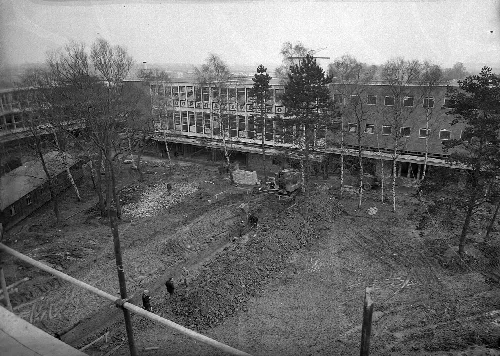
Stevenage Town Square under development in 1959, with construction work and building foundations visible.Stevenage town centre with the Clock Tower, fountain, and the 'Joyride' statue by Franta Belsky.
05Economy
Stevenage's economy has transitioned from agriculture and small-scale industry to a focus on high-tech industries, particularly in the Gunnels Wood Industrial Area. Major employers include GSK and Airbus Defence and Space.
Primary industrial area Gunnels Wood Industrial Area
Largest employer GSK
Other notable companies Airbus Defence and Space, Stevenage BioScience Catalyst
Historical industry Papermill established in 1488
Current industrial developments Chrysalis Park, Great Ashby
06Events and Culture
Stevenage hosts various annual events, including Stevenage Day and Rock in the Park. The town has a vibrant cultural scene, with community arts centres and local galleries contributing to its artistic landscape.
Annual events Stevenage Day, Rock in the Park
Past event Stevenage Carnival
Cultural venues Gordon Craig Theatre, Stevenage Museum
Local newspaper The Comet
Community arts centre location Roaring Meg Retail Park
07Transport
Stevenage is well-connected by road and rail, featuring a railway station on the East Coast Main Line and a network of bus services. The town's layout includes numerous roundabouts and segregated cycleways, promoting efficient transport.
Railway station Stevenage railway station
Bus operators Arriva Herts & Essex, CentralConnect
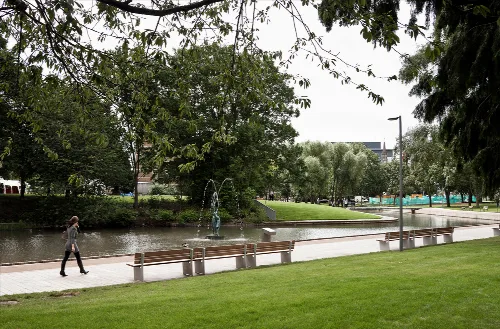
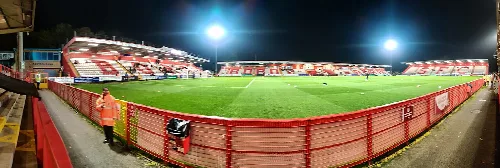
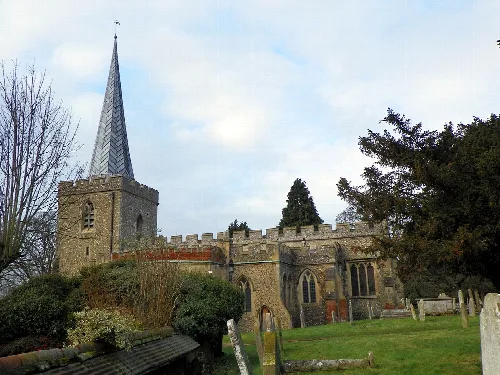
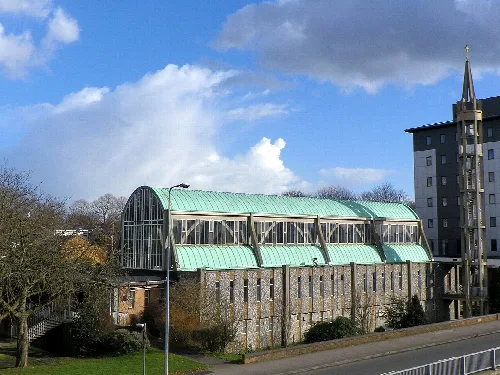
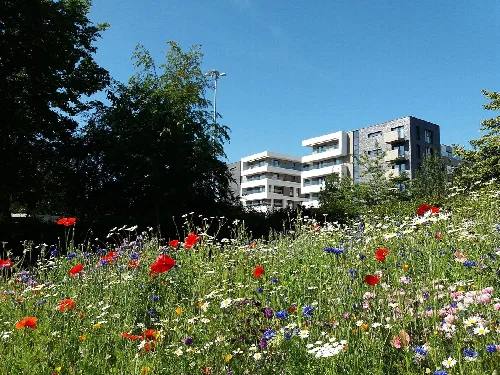
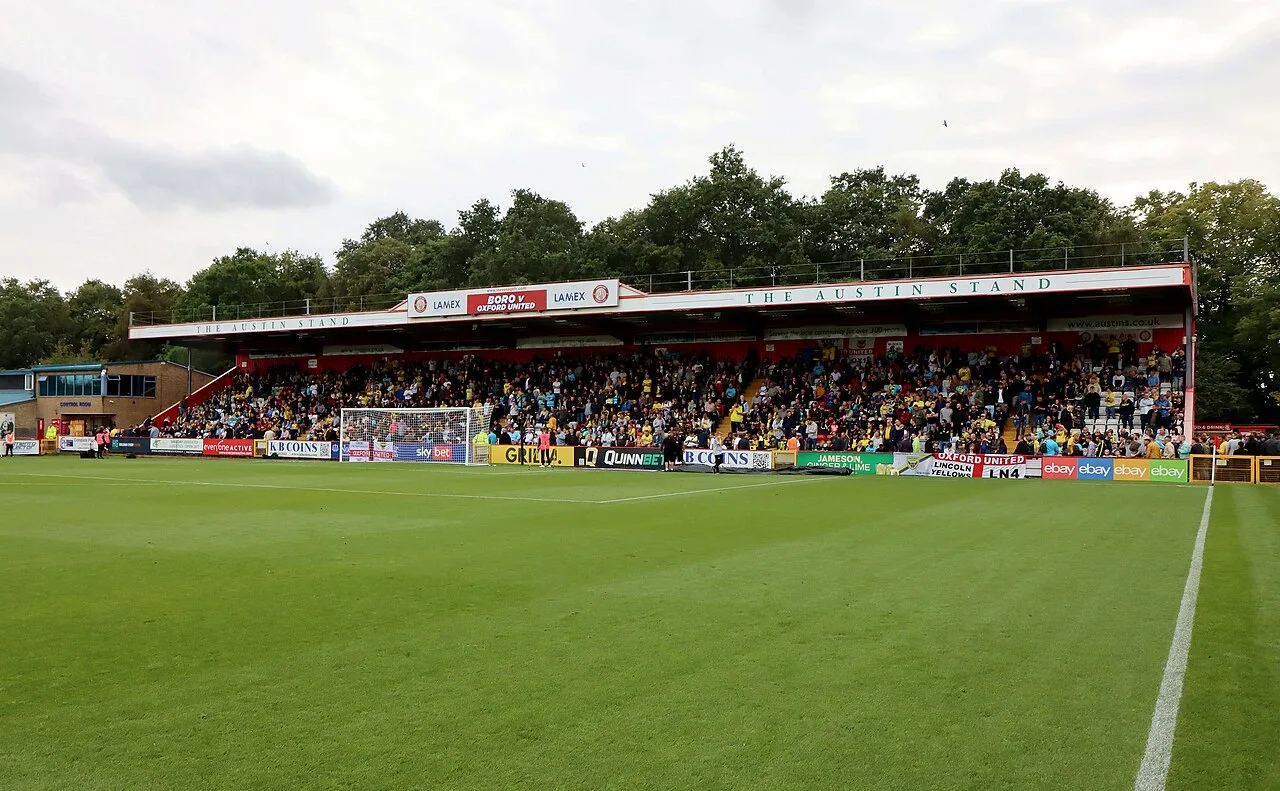
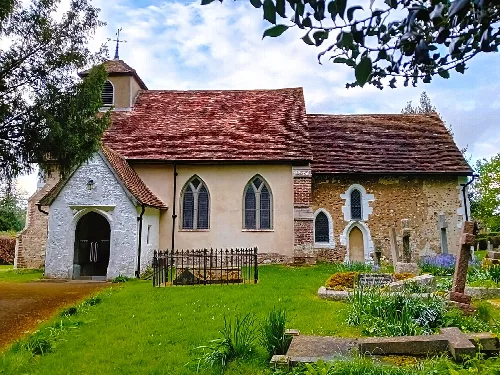
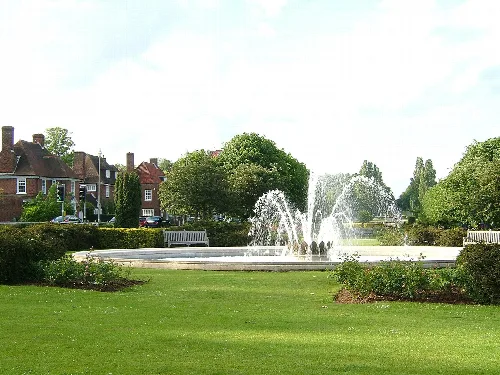
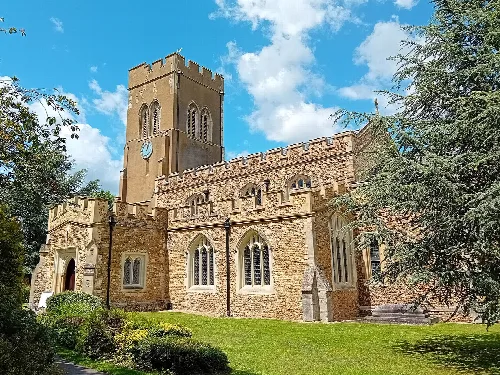
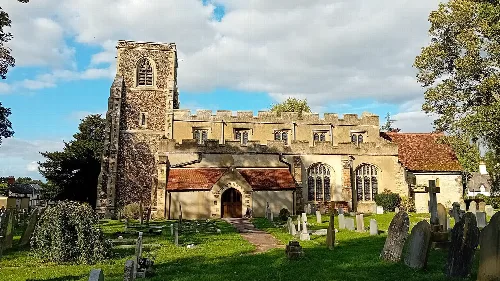
Stevenage Town Centre Gardens with trees, benches, and a small water feature in the foreground.View of Lamex Stadium from the East Terrace in Stevenage at night.St Nicholas' Church in Stevenage, with its tall spire and historic stone walls, seen on a cloudy day.The Parish Church of St Andrew and St George in Stevenage, with a modern glass structure in the foreground.The newly developed Park Place from Stevenage Town Centre Gardens with modern buildings in the background.
Frequently asked questions
What can you tell me about the Lamex Stadium in Stevenage?
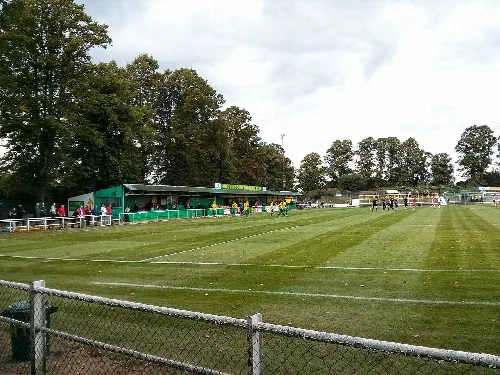
Lamex Stadium is the home ground of Stevenage FC, located in the town. It features a South Stand that is often filled with enthusiastic spectators during matches, creating a vibrant atmosphere. The stadium is a key venue for local sports events and has been an integral part of the community since its establishment.
What is the significance of the Joyride statue in Stevenage?
The Joyride statue, created by Franta Belsky, is a notable landmark in Stevenage town centre. It depicts a mother carrying her child and symbolises the joy of motherhood. The statue is located near the Clock Tower and ornamental pool, making it a popular spot for visitors and a representation of the town's community spirit.
Stevenage was designated the first New Town in the UK under the New Towns Act on 1 August 1946. This decision followed World War II, aiming to alleviate housing shortages and promote urban development. Despite local protests, the plan was implemented, leading to significant growth and development in the town.
Stevenage boasts several historical sites, including St Nicholas's Church, which dates back to the 12th century. The oldest surviving house, Tudor House, built before 1500, also offers a glimpse into the town's rich past. Additionally, the medieval moated homestead in Whomerley Wood adds to the historical landscape.
Stevenage hosts several annual events, including Stevenage Day and Rock in the Park. The town also has a history of holding a carnival, with attempts to revive it in recent years. These events foster community spirit and celebrate local culture, drawing residents and visitors alike.
Stevenage's town centre features a pedestrianised shopping zone, the first of its kind in Britain, opened in 1959. It includes the iconic Clock Tower and the Joyride statue. The area has undergone various regeneration efforts to enhance its appeal, despite facing challenges in recent years.
Stevenage offers several green spaces, including the Town Centre Gardens, which feature trees, benches, and a small water feature. These gardens provide a peaceful retreat for residents and visitors to relax and enjoy nature amidst the urban environment.
What can you tell me about the history of the Clock Tower in Stevenage?
The Clock Tower is a prominent feature in Stevenage town centre, symbolising the town's development. It was part of the pedestrianised shopping area that opened in 1959, reflecting the town's modernisation efforts. The tower, along with the surrounding area, remains a focal point for community gatherings.
As of the latest census in 2021, Stevenage has a population of 94,456. This figure reflects the town's growth since it was designated a New Town in 1946, when the population began to increase significantly due to new housing developments and urban planning initiatives.
Several historical events have shaped Stevenage, including its designation as the first New Town in 1946, which marked a significant shift in its development. The Great Fire of Stevenage in 1807 and the establishment of the Great Northern Railway in 1850 were also pivotal events that influenced the town's growth and infrastructure.